
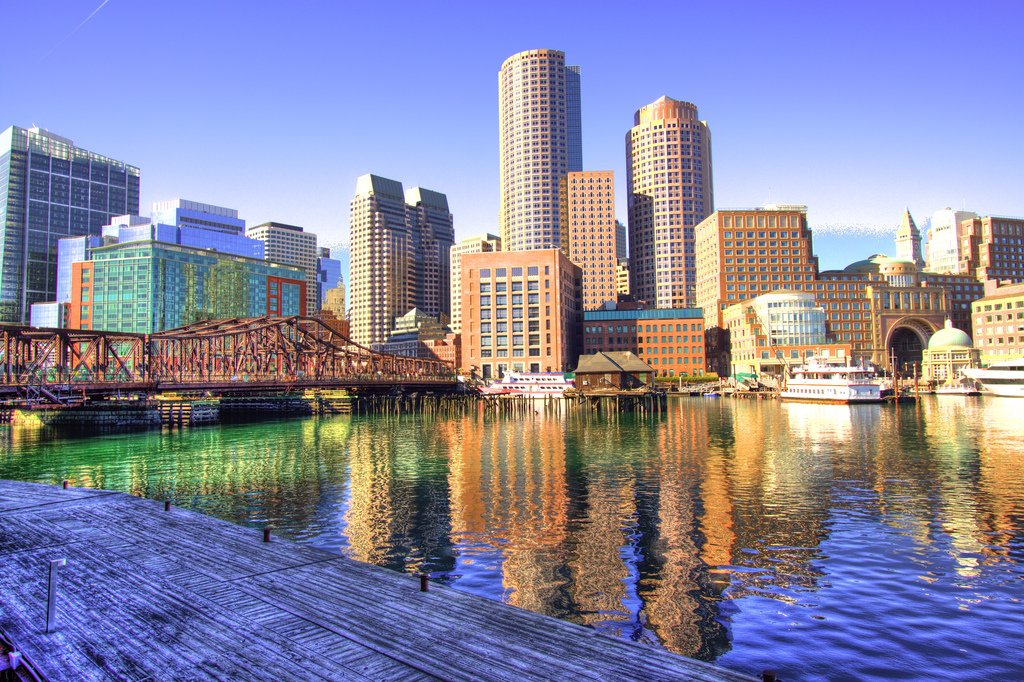
When I began my fellowship this Summer, I bought myself a bike and began using it for the commute between Downtown and Allston. I usually follow the Esplanade for a decent part of the ride, and travel the edge of the Boston Commons until I enter Downtown. Having the luxury of a bike and given the proximity of Downtown to a variety of sites, my Summer has been and likely will be an ongoing acquaintance with the many places surrounding VLP’s headquarters. In just a short distance, I can arrive at Rose Wharf or travel just a little further to Faneuil Hall or the North End. This evening a friend has been gracious enough to take me to a show in the Theater District where we’ll enjoy one of the many restaurants peppered throughout its venues. With its dense history, Boston can be the ideal place to explore. However, one part of its thriving cultural center is seeing ongoing threats to its very existence.

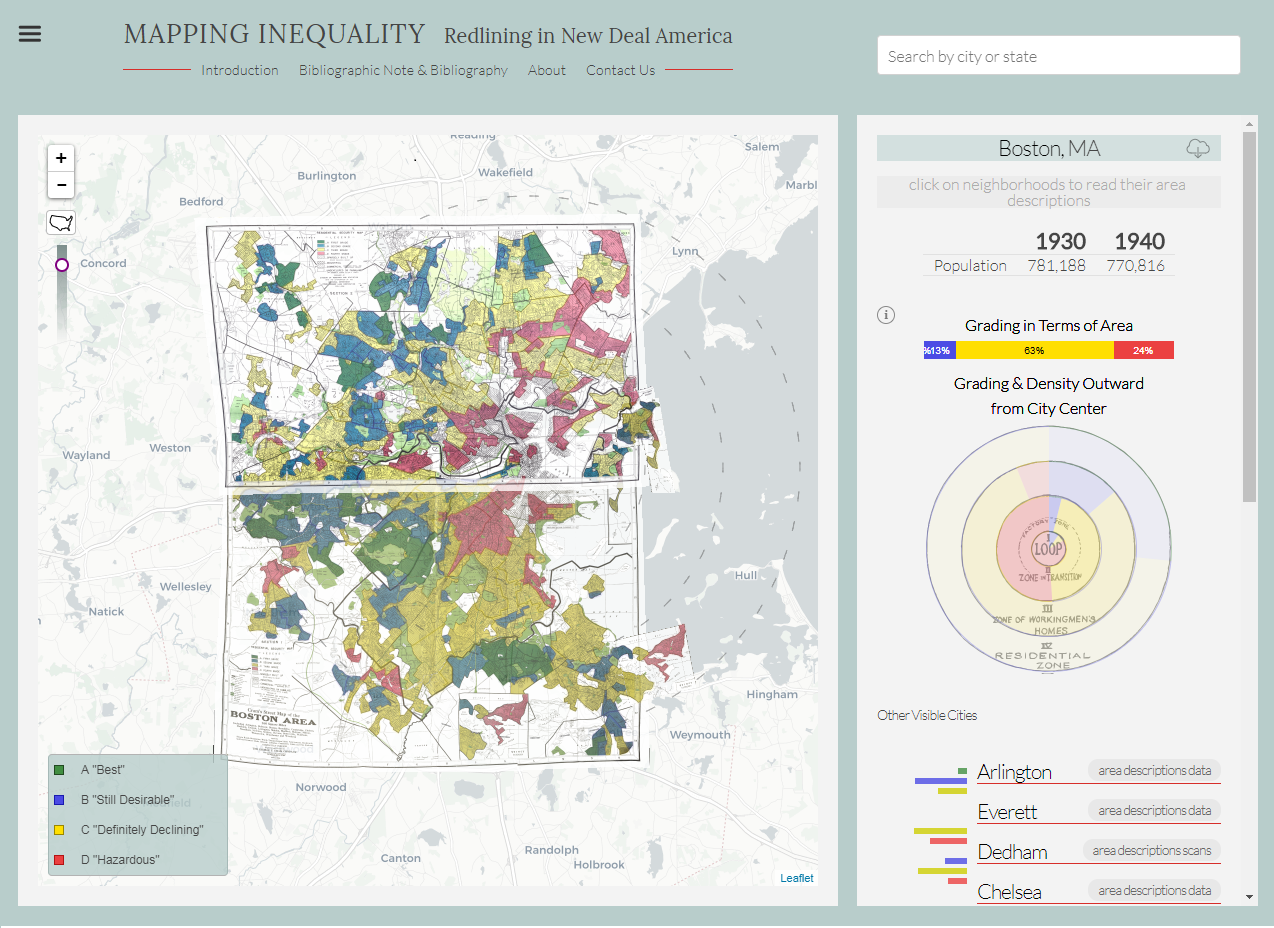
According to one study by the Asian American Legal Defense and Education Fund (AALDEF), Chinatowns across the East Coast are rapidly disappearing. In fact, between 2000 and 2010, although Asian Americans still constituted the majority population in Boston’s Chinatown at that time, census data indicate that the population of white residents in the neighborhood doubled. This is likely attributable to the increase of non-family households living in group share quarters and signifies a common trend of students and young professionals flocking into the city as a result of universities increasing their overall presence. Furthermore, the census data do not account for variations within the Asian American community in which there are often dramatic differences between individual sub-populations. In other areas of the city, different universities also continue to infringe upon communities that have historically consisted predominantly of People of Color. While the expansion of universities poses one of the most present and immediate threats to these communities, Boston has been no stranger to housing issues before this.

The current racial stratification of the city can be heavily traced to discriminatory housing policies in the past. Chinatown, as well as predominantly Black and Latino communities throughout Boston, are largely the result of residential segregation and other obstacles that have manifested from its existence.  Based on compiled evidence about low-income populations in Boston in the early 2000’s, Nancy McArdle writes:

…even within the poverty population, blacks, Hispanics, and some Asian sub-groups experience the added challenge of residing in neighborhoods of concentrated poverty… Not only do poor blacks and Latinos more commonly reside in areas of concentrated poverty, but they are three times more likely than poor whites to live in what can be described as “severely distressed” neighborhoods–those with much higher than average shares of single-female-headed households, high-school drop outs, people in poverty, and males detached from the labor force.

Although almost two decades have passed, and Boston has taken some steps to mitigate the ongoing gentrification, the overall trend has been towards an increased presence of White affluence—maybe best exemplified by another nearby landmark: the Seaport.

Recognizing the increasingly alarming racial homogeny of the city, it is obvious Boston needs a wholesale buy in from all major stakeholders to begin to address the problem. From developers to organizers, prospective homeowners to those facing chronic homelessness—Boston needs their help in overcoming its sordid past. It is at this intersection that human-centered legal design, legal technology, and legal professionals perhaps hold the most potential. Lawyers are involved with each of these parties, whether through direct representation, policy research, or the creation of legal assistance tools. Furthermore, lawyers have the unique capacity to approach these issues with knowledge of both the legal field and the systemic issues that have influenced its creation.

While most efforts to repair the housing market have viewed these stakeholders as opposing forces, and thus oriented towards different goals—it seems that all have a vested interest in the development of more housing. By focusing on this singular goal, and using human-centered legal design as a catalyst, the proper amount of resources and mediation may yield a more successful result.  Obviously, the task is daunting, but Boston needs to reckon with its past while trying to appease ongoing development in the city—otherwise it is doomed to repeat itself.
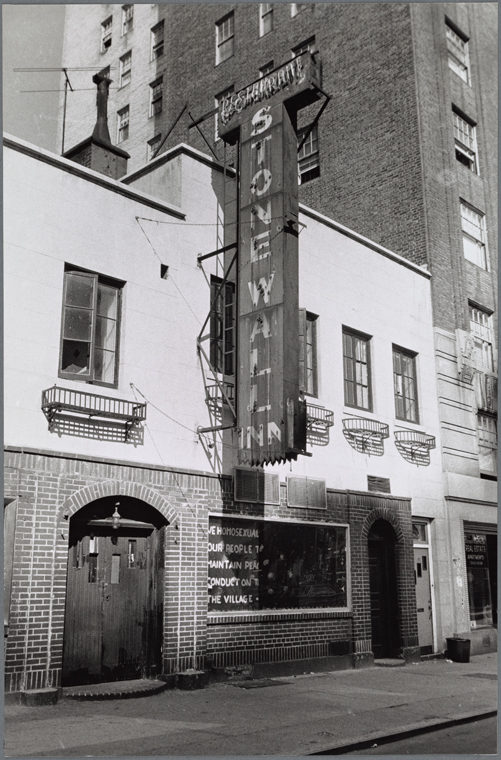


Continuing my theme of “grasping things at the root,” this week’s blog is dedicated to exploring the portion of the Lesbian, Gay, Bisexual, Transgender, and Queer (or Questioning) (LGBTQ) community that has historically stood on the frontlines of both adversity and resistance. While the Stonewall Inn currently stands as a recent dedication to the “struggle for civil rights in America” it was once a focal point of legally sanctioned violence against the Queer and Transgender community, specifically those that were people of color and low-income youth. In general, adverse court decisions have a disproportionate effect on the LGBTQ community. Today, in the wake of several Supreme Court decisions that will likely ripple throughout the LGBTQ community for years to come, it seems just as, if not more, important to heed the example of activists like Sylvia Rivera or Marsha P. Johnson; we must work to prioritize the most disenfranchised among us.  With pride parades featuring large corporate sponsors like Bank of America, Uber, or Apple, it’s easy to believe the LGBTQ community has neared its end goals, but when considering the roots, we have so much further to go.

Despite accounting for approximately 10% of the overall youth population, LGBTQ individuals make up about 40% of youth that are homeless. In addition to their disproportionate representation, and adding to their increased risk of homelessness, these youth face heightened rates of family rejection, mental health issues, and abuse by a family member. Once homeless and due to a lack of adequate resources, LGBTQ people are more likely to engage in sex work for means of survival (i.e. shelter, food, etc.), and subsequently become increasingly at risk for sexual violence or the spread of sexually transmitted diseases. At shelters, sometimes the only immediately available resource, LGBTQ youth face risks of harassment by their peers and a lack of cultural competence among staff. Of those affected by these issues, Transgender youth that are homeless are considered particularly at risk for poor mental and physical health in comparison to their peers, and in alignment with these grim statistics, LGBTQ homeless youth remain at an alarming risk for attempted suicide.

As one of the largest suppliers of pro bono legal services in Massachusetts, I wondered what steps the Volunteer Lawyers Project (VLP) has taken to be more inclusive towards LGBTQ youth. I sent out an email inquiring about ongoing initiatives, both internal and external, and I received a resounding response. Among other things, VLP board member Josephine McNeil is collaborating with local legal aid services and programs specifically for people who are homeless to better address the needs of LGBTQ youth. She is a participant in an ABA working group for youth homelessness and pushes for further recognition of the disproportionate representation these individuals experience among homeless populations, and the necessity for catering services to their specific needs. Further, she is the Chairperson of the Homeless Youth Task Force, a subcommittee of the Civil Rights & Social Justice Council. Under Josephine’s guidance, VLP is actively exploring how to better increase the cultural competency of their services in regards to LGBTQ identity.

Internally, VLP is just as dedicated to reinforcing the social change they hope to employ outwardly. Staff members are active participants of an LGBTQ listserv that operates through the MassProBono website, and were more than willing to provide helpful feedback for how the site may better operate. As a result, I will be performing an audit of the website to ensure that all services relevant to LGBTQ youth are listed—not just organizations exclusively dedicated to LGBTQ youth but also those that have taken steps to be more inclusive. Members of the staff also suggested steps for increasing the overall competency of the staff and volunteers. Lastly, I will likely attempt to sift through each of the resources (interview guides and checklists) to ensure they adequately address the intersectional needs of LGBTQ individuals, and will keep track of my efforts for future staff to potentially replicate.

In a country where discrimination in employment and housing are still a tangible reality for LGBTQ individuals, it’s a warm reminder to see an organization actively taking steps to ensure their services go beyond the norm. As a white, gay cisgender man I am less likely to experience discrimination or similar obstacles than my Transgender and LGB peers of color, but it does not reduce the gratitude I feel for having the opportunity to work within an organization that values my community. The world at large may not quite be where they need to be in terms of addressing all of the ongoing legal needs of a marginalized community, but that doesn’t stop VLP from working ahead of the curve. To read more about how and why LGBTQ youth are more susceptible to instances of temporary and chronic homelessness, as well as other obstacles, please click here. If you’d like to be more involved in LGBTQ issues in your area, consider taking a look at many of the organizations that provide direct services!


 “Radical simply means ‘grasping things at the root’” –Angela Davis

You may be wondering what Angela Davis, and legal tech have to do with each other. This Summer I have the pleasure of attempting to use legal tech in ways that improve access for people who have traditionally faced barriers to legal services. While Davis may not have legal tech on the purview of her many social justice causes, she would surely recognize the necessity of seizing the opportunities legal tech potentially provides. By better orienting itself towards those most in need, legal tech presents an occasion to radically change civil legal aid. If capable of doing so, the civil legal aid community could begin to address issues that have reinforced the wealth gap and worsened barriers for marginalized communities.

As a result of its recognized blindspot, the civil legal aid community has taken substantial efforts in recent years to reform access to legal resources for low-income people. The heavy increase in the number of self-represented people arriving in courts, along with traditional obstacles faced by marginalized communities, presents an opportunity for the legal community to use technology to bridge the access gaps. In the spirit of Angela Davis’ quote, I believe that in order for tech to have any real effect, it must recognize the root of the access gap; systems must be designed to serve people rather than problems. Fortunately, this Summer I have the opportunity to work with and learn from a group of people dedicated to reinforcing that exact ideology through their work.

Situated in the heart of Downtown Boston, the Volunteer Lawyers Project (VLP) of the Boston Bar Association is a non-profit legal organization dedicated to providing resources to people with low incomes and whom are in need of legal services. Facing a high demand for pro bono services, VLP was founded in 1977 and has been growing ever since. Currently it coordinates a group of approximately 2,000 volunteers, which consists of attorneys, paralegals, and law students. Along with VLP staff these legal professionals help further the goal of providing civil legal services in the form of information advice, referrals, brief service in court clinics, or occasionally full representation for trials or appeals. In addition, VLP offers trainings and will now be maintaining a mobile-optimized statewide pro bono website for volunteers.

Over the course of the Summer I’ll be assisting VLP and Barbara Siegel (Deputy Director and Senior Partners Project Manager) with the relaunch of their new mobile site, and assisting with the creation of some documents that will help to address issues with social security benefits. With the website as my main focus, I will be implementing reach out through webinars, designing a sustainable maintenance structure, and attempting to increase participation by both volunteers and participating programs. As I am already a few weeks in, the majority of my work has been geared towards understanding the best possible ways for engaging my audience. By centering the reach out around ongoing feedback and usability, I hope to have updated the site and successfully rolled it out by the end of next month. Modeling after other successful projects and incorporating the unique limits and resources of VLP, the relaunch will focus first on engaging the private bar, then followed by larger programs.

While VLP seeks to provide services to as many people as possible, they ultimately are not able to help everyone that contacts their offices. An obvious result of this is the remaining need for pro bono services for many of these people. By making the pro bono website as user-friendly as possible, and by incorporating ongoing feedback from users, I hope to decrease this need by creating better streamlined partnerships between pro bono volunteers and programs that need them. For many the legal system can be overwhelming, scary, and have the potential for life-altering outcomes. Attorneys have a unique capacity to lessen these burdens, and getting them involved is the first step. To check out an introduction to the site, click here.

For a firsthand account of how pro bono attorneys can make a difference, check out this video: